
 Fall is here and it means the colder weather is just around the corner. Is your home ready for the cold season? Winter can come quickly so it is always a good idea to prepare your home beforehand. You may think that your home is fine and doesn’t need any preparation at all but when you look closely, you will realize there are lots of things you need to do.
Preparing your home for winter doesn’t just make your life comfortable during the coldest time of the year, but it can also prevent big maintenance issues which can be costly. And your home’s heating costs spiraling out of control is definitely the last thing you would want this winter, wouldn’t you? Here are a few tips you can do to make your home winter ready. Continue reading
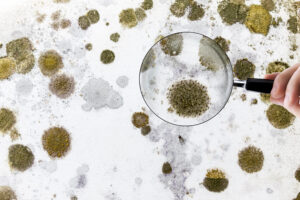 Do you suspect mold growth in your home? You can do a quick inspection in your home to check. However, what will you do when you can’t pinpoint the source? Mold growth can be visible to the human eye but not when it is under your feet. The crawl space beneath your home can be the perfect place for mold growth. Because it is moist, dark and has ample food supply, it can be the friendliest condition for mold to multiply.
 When you have a sewage backup onto your property, it is a disaster that requires a professional cleaning process. Sewage is a dangerous substance that contains parasites, viruses, and bacteria that can make you seriously ill. In addition to possible contamination from skin contact, the pathogens from sewage can filter into the air, and breathing the microorganisms is also dangerous.
 For most people, a home is definitely one of the most valued possessions. These structures provide shelter from the elements, safety from outdoor wanderers and entertainment that the whole family can enjoy. Unfortunately, a percentage of homeowners do not take the right precautions for taking good care of their homes. One of the biggest concerns with a house is fire damage. Fire damage can be an expensive and stressful event for anyone because you could lose irreplaceable items. Other than having to deal with smoke and smut, fire can rip through a house by burning and weakening the structure. The cleanup process can be traumatizing to some degree, and the majority of homeowners do not possess the knowledge to properly restore the home to its natural glory.
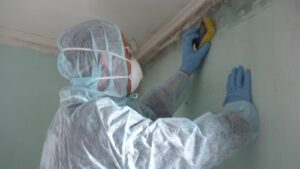 Contrary to a common misconception that mold is found in dirty places, mold can be found almost anywhere. Mold thrives well where there is plenty of moisture and may at times be difficult to detect and remove. Most homeowners won’t detect mold until they notice visible spots on affected walls and other surfaces. Others only take action against mold when they develop of respiratory problems such as sore throats and stuffy noses even during the warm seasons. Luckily, Drying Tech has compiled a number of tests to help you determine if you have stubborn mold lurking behind the walls. Here is how to detect mold: